
A child’s prosthesis isn’t just a medical device, it’s a gateway for them to live fully and experience the world on their own terms.
With the right prosthetics limbs—coupled with support from skilled medical providers and dedicated parents—children with limb differences can play with their peers, conquer playgrounds, and embrace the joys of childhood.
In this blog, we’ll explore the physical and emotional ways to support children with prosthetics: how growth impacts their needs, innovations in prosthetics, practical tips for parents, and resources to help families navigate this journey with confidence and hope.
Essential Considerations With Pediatric Prosthetics
Pediatric prosthetics are custom-designed to help children regain mobility and independence while supporting both their physical development and emotional well-being. These devices are tailored to accommodate a child’s rapid growth and active lifestyle. However, they require regular adjustments or replacements to maintain a proper fit, ensure functionality, and feel comfortable.
To help children fully embrace their prosthesis, it needs to feel like an extension of their body. Lightweight, durable materials are key for active play, while thoughtful designs that look natural and appealing foster confidence in social settings.
When a prosthesis feels comfortable and intuitive to use, children are more likely to adapt and thrive with it as part of their daily lives.
 The Caregiver’s Role in Maintaining a Prosthetic Limb
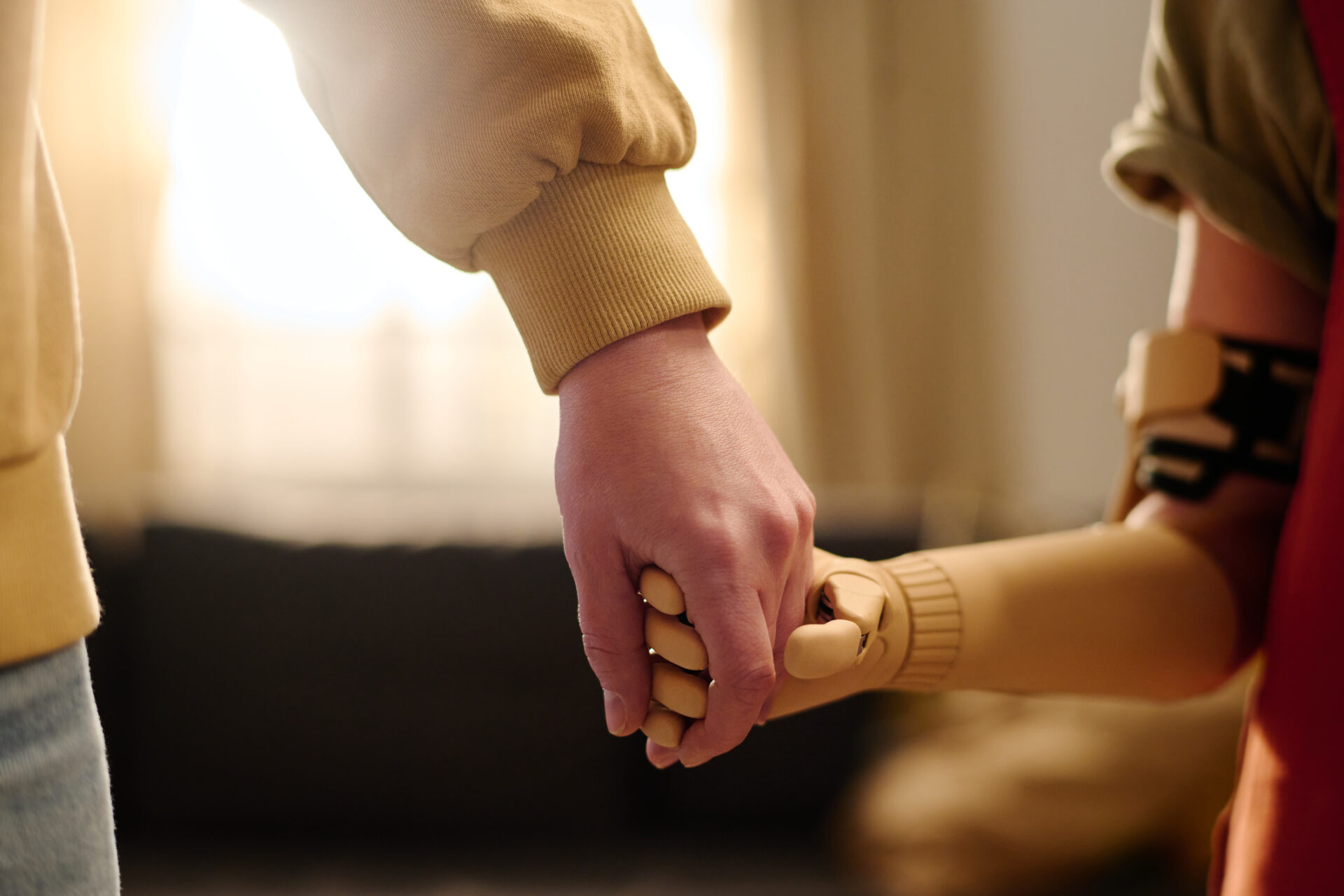
Parents and caregivers are essential partners in ensuring a child’s prosthesis continues to function optimally. Regular maintenance and monitoring help prevent problems before they arise, keeping the device comfortable and effective.
Here’s how caregivers can stay proactive:
- Monitor for Wear and Damage: Keep an eye out for signs of wear, such as loose straps, cracks, or unusual noises during use. Promptly schedule an appointment with a prosthetist if repairs are needed.
- Follow Care Instructions: Diligently follow the cleaning and care guidelines provided by the prosthetic manufacturer or healthcare provider. Proper care prevents dirt buildup, ensures hygiene, and extends the device’s lifespan.
- Schedule Regular Check-Ups: Routine visits to the prosthetist are essential for ensuring the prosthesis continues to fit well and meet the child’s needs as they grow. These check-ups also allow for any necessary adjustments to maintain optimal comfort and function.
By taking an active role, caregivers can help their child get the most out of their prosthesis and ensure it remains a positive and empowering part of their life.
The Fitting and Adjustment Process
Fitting a pediatric prosthesis is a personalized process that ensures the device supports a child’s mobility, comfort, and growing needs.
What to Expect During Fitting
The process begins with a thorough evaluation to assess the child’s physical abilities, lifestyle, and specific needs. Measurements are taken to create a prosthesis that aligns with their body and activities. Once the limb is ready, it is carefully fitted to ensure it moves naturally and comfortably.
Physical therapy often follows, teaching children how to use their prosthesis for daily tasks, play, and other activities. This step is essential in helping the child feel confident and capable with their new device.
Adjusting for Growth
As children grow, their prosthetic limbs must adapt to keep up. Regular prosthetist appointments ensure the device fits properly, prevents discomfort, and continues to meet their needs. Addressing wear and tear early keeps the prosthesis functional and comfortable, while expandable components or modular designs help extend its usability and reduce the need for frequent replacements.
 Innovations in Pediatric Prosthetics
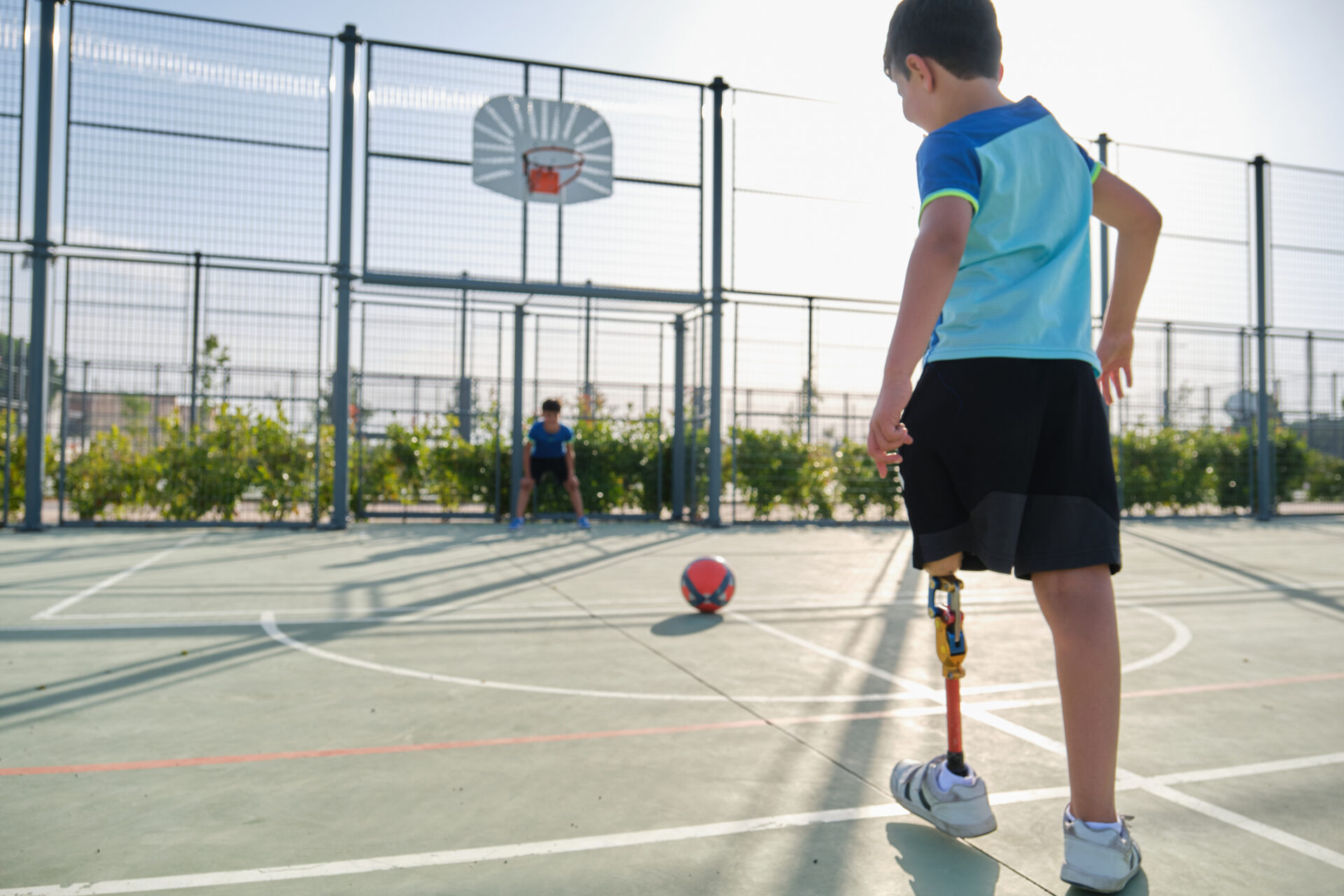
Rapid advancements in technology are breaking down barriers for children with prosthetic limbs, offering exciting possibilities for greater freedom and independence.
- 3D Printing: Once cutting-edge, this technology is now increasingly common, allowing for fast and affordable customization to ensure each child’s prosthesis is tailored to their unique needs.
- Sensor Technology: Prosthetic limbs that respond to muscle signals are no longer just innovative—they may soon become standard, enabling smoother and more natural movement.
- Brain-Controlled Prosthetics: Though still emerging, this groundbreaking technology is steadily advancing, using neural signals to create movement that feels like an effortless extension of the body.
Parents can feel optimistic about how these innovations are transforming what’s possible. As children grow, so will the technology—removing limitations and giving them even greater opportunities to move, explore, and thrive.
Practical Tips for Parents
Supporting a child with a prosthesis requires a proactive and empathetic approach. Here are some practical ways parents can help their child adapt and thrive:
- Encourage Regular Use: Help your child build confidence and strength by encouraging consistent use of their prosthesis. This routine can make daily tasks and active play feel more natural.
- Monitor Skin Health: Check the area where the prosthesis contacts the skin for any signs of irritation, redness, or discomfort. Keeping the skin clean and dry is essential to prevent infections.
- Promote Physical Activity: Encourage your child to stay active and engage in sports, hobbies, or recreational activities. This not only improves their physical health but also boosts their coordination, comfort, confidence and independence.
- Foster Open Communication: Create a safe space for your child to share their feelings about their prosthesis. Address concerns, celebrate milestones, validate their emotions, and provide reassurance to help them feel supported.
- Stay Consistent with Appointments: Regular check-ups with your prosthetist ensure the device remains functional and comfortable as your child grows.
By staying involved and fostering a positive environment, parents can play a vital role in helping their child embrace their prosthesis and all the opportunities it offers.
 Resources for Families
Navigating life with a prosthetic limb can be a challenging journey, but families don’t have to do it alone. Here are some key resources to help support children and caregivers alike:
- Peer Support Groups: Connecting with other families through local or national organizations can provide encouragement, share valuable experiences, and create a sense of community. Programs like the Child Amputee (CHAMP) Program offer peer support alongside financial assistance and educational seminars.
- Educational Resources: Organizations such as the Amputee Coalition and Challenged Athletes Foundation provide guides, videos, and workshops to help families learn about prosthetic care, emotional adjustment, and adaptive sports.
- Financial Assistance: Nonprofits and programs like CHAMP often help cover the costs of prosthetics, repairs, and travel for appointments. Families should explore these options to ease financial burdens.
- Local Specialists and Clinics: Regular appointments with prosthetists and physical therapists are crucial. Many clinics offer workshops or training sessions to help children and caregivers feel confident in maintaining and using the prosthesis.
These resources can make a significant difference in helping children and their families feel empowered and supported throughout their journey.
The Bottom Line / Conclusion
Raising a child with a prosthetic limb comes with challenges, but it also brings opportunities for growth and independence. With advancements in technology, personalized care, and a supportive environment, children can thrive and embrace life fully.
Hodgson Orthopedic Group is here to help every step of the way.
Contact us today to learn how our pediatric prosthetic services can support your child’s journey.